AI and cybersecurity now share one story, and it reads like an old tale of locks and lockpicks told with new machinery. Artificial intelligence has entered our world with force, touching nearly every field, from hospitals and classrooms to shops and shipping lanes. Wherever it goes, it carries data, and where data lives, defenders and attackers follow.
This is the uncomfortable beauty of the moment. The same intelligence that spots a fraudulent payment in a blink can also write a letter so convincing that a careful person trusts it. In this essay we look at both hands, and at the plain habits that keep ordinary people safe.
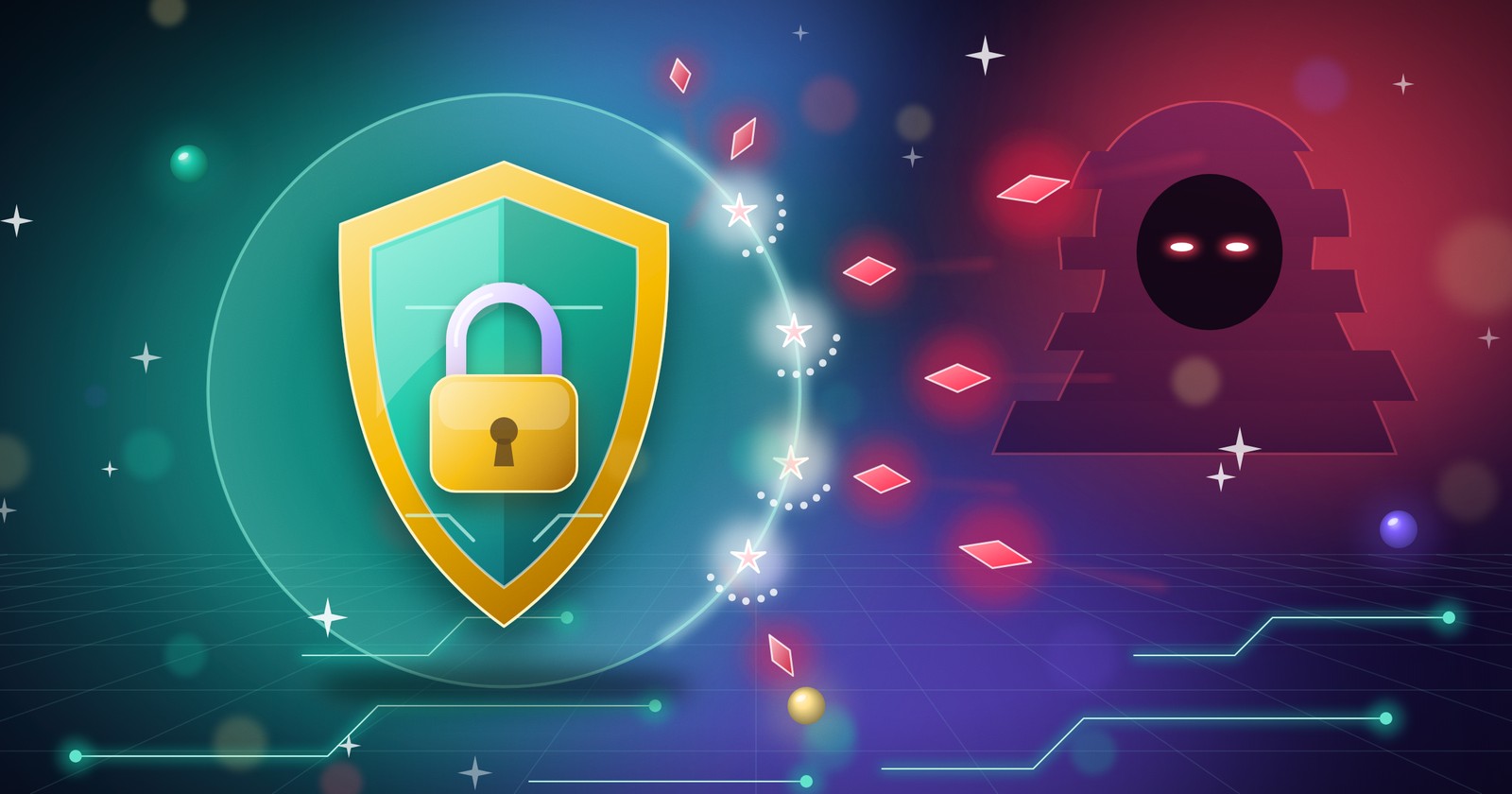
Table of Contents
Why AI and cybersecurity are now inseparable
Every business has become, quietly, a digital business. Invoices, photographs, customer lists and private conversations all sit behind passwords. That makes the question of AI and cybersecurity everyone’s question, not only a concern for engineers in dark rooms with many screens.
Both halves of AI and cybersecurity grow together. Think of a village that once had one door and now has a thousand windows. Each new app, account and connected device is another window. Artificial intelligence helps both the watchman and the thief look through them faster than either could manage alone.
Because the field is broad, the best starting point is a shared vocabulary. The discipline of computer security is simply the protection of systems and the people behind them from theft, damage and deception.
How AI and cybersecurity meet on the defender’s side
Defenders have gained a patient, tireless pair of eyes. This is the hopeful chapter of AI and cybersecurity, and it deserves to be told first.
Concretely, the new eyes look at patterns rather than rules. Software can study the ordinary rhythm of a network and notice the strange footstep at three in the morning. It can sort thousands of alerts so that a tired human sees the dangerous few first.
Email filters learn the shape of junk and fraud. Banks flag a purchase that does not look like the person who usually makes it. Systems can isolate a suspicious device before the trouble spreads. Used well, they shrink the time between an attack and its discovery.
- Spotting unusual logins, locations and behavior.
- Filtering phishing and malicious attachments.
- Flagging payments that break a customer’s usual pattern.
- Ranking alerts so people look at the urgent ones first.
- Helping small teams watch more than they could alone.
The attacker’s side: phishing, cloned voices and polished lies
No honest account of AI and cybersecurity can skip the villains, so we will meet them plainly.
The other edge is sharper than many expect. Phishing messages once gave themselves away with clumsy grammar. Now a scammer can generate fluent, friendly text in any language, tuned to your job, your city and your boss’s tone.
Voices can be imitated from a short recording, and faces can be faked on a video call. A message that claims a relative is in trouble, or a manager needs an urgent transfer, becomes far more believable. Here AI and cybersecurity collide in the oldest trick of all, which is persuasion.
Why the old warning signs fade
This shift is one of the clearest lessons of AI and cybersecurity: polish is no longer proof of honesty.
We used to look for spelling mistakes and awkward phrasing. Those clues are fading. The new warning signs are about pressure, secrecy and urgency: a request that rushes you, asks you to keep quiet, or asks you to bypass the normal process.
AI is a double-edged sword for everyone online
This is the center of the matter for AI and cybersecurity, and for everything else online. AI is a double-edged sword, and nowhere is the blade more visible than here. A smart user benefits enormously, with smarter filters, safer accounts and faster recovery. A careless or malicious user harms themselves and society alike.
The lock is only as strong as the habit of the person who holds the key. Intelligence, human or artificial, protects those who use it with care.
Consider the careless edge. Someone pastes a confidential contract into a random chatbot, or downloads a free tool from an unknown site, and a private document is suddenly out of their control. Consider the malicious edge. A criminal uses the same technology to scale a scam across thousands of inboxes, and a community loses savings and trust.
Consider, too, the wise edge, where AI and cybersecurity work as partners instead of rivals. A shop owner turns on every security alert, keeps backups, and teaches staff to pause before clicking. For that owner, AI and cybersecurity are allies, and the cost of a bad day falls dramatically.
There is also the matter of what we feed into new tools. Many assistants keep what they are given, and a pasted password list or client contract is hard to take back. A good rule is simple: if you would not post it on a noticeboard, do not paste it into a stranger’s box.
Basic digital hygiene for AI and cybersecurity threats
Here is the reassuring part about AI and cybersecurity. Most attacks, however polished, still depend on a few predictable weaknesses. Close those, and even a brilliant fake falls flat. Digital hygiene is dull in the best possible way, like brushing your teeth.
- Use a long, unique password for every account, kept in a password manager.
- Turn on two-step verification wherever it is offered.
- Update your devices and apps as soon as updates arrive.
- Keep backups, with one copy stored offline.
- Verify unusual requests through a second channel, such as a phone call to a known number.
- Never share codes, passwords or private documents with a chatbot or stranger.
None of these steps needs a degree, and every one of them strengthens your position in AI and cybersecurity, whatever tool the attacker brings. They simply need repetition, and repetition is what turns a nervous beginner into a hard target.
When something goes wrong anyway
Even careful people are fooled sometimes, and shame is the attacker’s best friend. If you clicked something strange, act at once. Change the affected passwords, tell the person responsible for your accounts, and watch your bank statements for odd activity.
Speed matters more than perfection. A quick confession costs an awkward minute, while a hidden mistake can grow for weeks. Write the steps down in advance, so that in the moment of panic you only have to follow a list.
Teaching your team to pause: AI and cybersecurity at work
People are the real perimeter, and training is the cheapest upgrade in AI and cybersecurity. A firewall cannot stop an employee from replying to a convincing message, so the strongest defense in AI and cybersecurity is a culture where it is normal to say, “Let me double-check that first.”
Make pausing respectable. Agree that no payment changes, password resets or urgent transfers happen on the strength of a single message. When the rule is shared and written down, nobody feels foolish for asking, and a clever impostor loses the one thing they need, which is speed.
Learning also helps. A short course for staff, repeated now and then, does more than a thick policy nobody reads. If you want structured learning, our guide to an online marketing course shows how we think about teaching practical skills step by step.
Habits also need a rhythm. Pick one evening each month to review who has access to what, remove old accounts, and check that your backups truly restore. Security is less like a wall built once and more like a garden, which stays healthy only when someone tends it regularly and pulls out the weeds before they spread.
Finally, remember that convenience is a quiet thief. Every shortcut that skips a check saves seconds today and may cost weeks tomorrow. Choose the slightly slower path whenever money, identity or private records are involved, and teach everyone around you to do the same.
Building safely: websites, brands and trust
Good design and good protection belong together, and AI and cybersecurity should be part of every launch plan. Visitors rarely praise a safe website, yet they leave quickly from one that feels unsafe. That silent verdict decides whether a brand is trusted or abandoned.
Security is also a design choice. A website that loads over a secure connection, keeps its software current and collects only the data it needs earns quiet trust from visitors. A careless site invites trouble and then apologizes in public.
That is why we build with care at Media Five Stars. Our team has more than twenty years of experience, from its early days in Syria to clients across the Arab world, Europe and the USA, and every project runs under a formal contract with a fixed timeline. You can see the full range of what we do on our services page.
For small firms deciding which smart tools to adopt, our piece on AI tools for small business offers a calm starting point. For a wider view of how this technology settles into ordinary routines, read about artificial intelligence in everyday life.
Final thoughts: use it wisely, and lock the door
AI and cybersecurity will keep evolving together, each side learning from the other. We cannot stop that dance, but we can decide where we stand in it. Be curious about the tools of AI and cybersecurity, honest about their risks, and disciplined about the basics.
Treat the sword with respect. Use it to defend, never to deceive, and keep your habits stronger than any trick. If you would like a partner who takes AI and cybersecurity seriously while building your digital presence, come and talk with us.