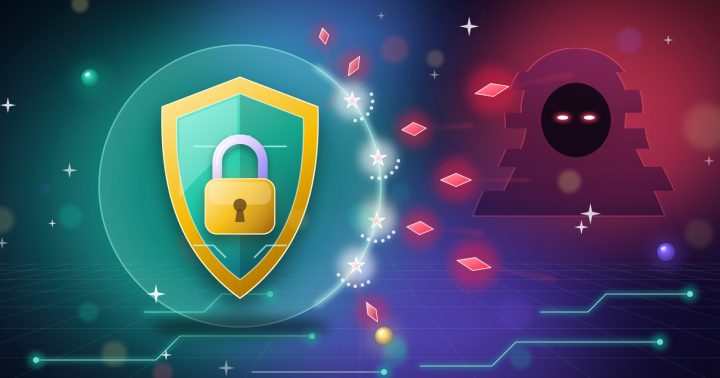
The AI double-edged sword is the tool that defines our age, changing how people work, learn and trust one another. It arrived quietly, as a helpful suggestion in a search box, and within a few seasons it was drafting letters, sorting photographs, translating speech and painting pictures nobody had ever painted.
This essay is the central one in our series on artificial intelligence, because everything else we say depends on it. The AI double-edged sword cuts both ways, and which edge meets your hand is decided far less by the machine than by the person holding it.

Table of Contents
How AI Entered Our World With Force
There was no single day when it began. One morning your phone finished your sentences, and by evening a stranger on the other side of the world was using a machine to write a song. Today artificial intelligence touches almost every field we can name: medicine, farming, law, education, music, logistics, design and the humble customer-service chat.
Its force comes from two things at once, speed and reach. A task that took an afternoon now takes a minute, and a skill that once required years of training is available to anyone who can type a sentence. That is thrilling, and it is also exactly why the AI double-edged sword deserves our full attention.
We have felt this in our own studio. Our team has worked for more than twenty years, from its first days in Syria to clients across the Arab world, Europe and the USA, and we have watched many tools arrive. None has moved through our craft as quickly as this one, from design boards to video timelines to the way people search.
Think of the old fable of the sorcerer’s apprentice. The broom carried water faster than any pair of hands, and the trouble began only when nobody knew how to stop it. The AI double-edged sword asks the same of us: not fear, and not worship, but the plain discipline of knowing what we have set in motion.
The First Edge: What a Smart User Gains
Picture a good carpenter given a better plane. The wood is the same, the hands are the same, yet the work comes out cleaner and faster. A wise person using AI is that carpenter. The machine removes the sanding and leaves the judgment, taste and responsibility where they belong, with a human being.
Examples of the helpful edge
The benefits are concrete, and none of them are exaggerations. Used well, the AI double-edged sword gives ordinary people abilities that once belonged to institutions.
- A student who does not understand a theorem asks for it to be explained five different ways, until one finally clicks.
- A doctor uses software to flag a pattern in a scan, then applies her own training to decide what it means.
- A small shop owner translates a product page into three languages before lunch.
- A designer generates twenty rough directions, discards nineteen, and spends the saved hours refining the one that matters.
- A farmer reads satellite imagery and learns which field needs water first.
In each case the person stays in charge. The tool widens what they can reach, and they remain the author of the result.
The Second Edge: When Careless Use Cuts Back
Now picture the same plane in the hands of someone who never looked at the grain. The cuts are fast, and wrong. Careless users of the AI double-edged sword do not feel the blade at first, because the machine is polite, fluent and always confident. It will answer a question it does not understand with the calm of an expert.
Examples of the harmful edge
The wounds are quiet and they are real. A student who submits generated work learns nothing and is eventually found out. A writer who publishes unchecked text repeats invented facts under their own name. A company that pastes private client data into a public tool may leak what it promised to protect.
A brand that floods its channels with identical, soulless content teaches its audience to scroll past. Nothing is stolen, yet trust slowly drains away. The careless user pays first, and often never learns why.
A sharp tool does not choose its work. The one who holds it does, and so the whole story of the AI double-edged sword is a story about character.
When the AI Double-Edged Sword Is Turned Against Others
Carelessness harms the user. Malice harms everyone else. The same technology that explains a theorem can imitate a loved one’s voice for a fraud call, write a thousand convincing phishing messages in an afternoon, or fabricate a photograph of an event that never happened.
This is where the AI double-edged sword leaves the private desk and walks into public life. Fake reviews, forged endorsements, manufactured outrage and cloned faces all make it harder to believe anything we see or hear. When people can no longer trust their eyes, honest voices pay the price along with the dishonest ones.
Society is therefore affected in two ways. Some jobs change faster than people can retrain. And the shared ground of agreed facts, on which every healthy community stands, grows thinner each time a lie is made cheap.
Why the AI Double-Edged Sword Is a Human Question
It is tempting to blame the machine, or to worship it. Both are ways of avoiding the real question. A model has no intentions, no conscience and no stake in what happens next. It reflects the instructions, the data and the habits of the people who built it and use it.
That is why the AI double-edged sword is, in the end, a human question. Honesty, curiosity, patience and care were the qualities that separated good work from bad long before computers existed. They still do. What the new tool has changed is the distance between an impulse and its consequences, which is now almost nothing.
The gap between speed and judgment
Every careful profession has a rhythm: draft, rest, review, correct. The AI double-edged sword tempts us to skip the rest and the review, and that is precisely where mistakes hide.
Speed is the great temptation. When an answer arrives in seconds, we stop doing the slow things that made our work trustworthy: checking a source, reading twice, asking whether this is true or merely smooth. The skill worth cultivating is not faster typing but steadier judgment.
Seven Rules for Holding the AI Double-Edged Sword Wisely
You do not need to be an engineer to use these tools well. You need a few habits, practiced until they become instinct. We offer these as a working list, drawn from the way we treat every project in our studio.
- Treat every output as a first draft, never as a final answer.
- Check facts, names, figures and quotations against a trusted source before you share them.
- Never paste private, contractual or personal information into a tool you do not control.
- Say plainly when AI helped, whenever honesty or trust is at stake.
- Keep the human parts human: taste, empathy, decisions and accountability.
- Keep learning the craft itself, so you can tell when the machine is wrong.
- Refuse to use it to deceive, impersonate or manipulate anyone.
None of these rules slows you down for long. Together they turn a risky shortcut into a dependable instrument.
Ask yourself before each use: who benefits, who could be hurt, and would I be comfortable explaining this to the person affected? A tool this strong deserves a moment of conscience. The AI double-edged sword rewards that pause, and the pause costs almost nothing.
What This Means for Brands, Creators and Teams
Businesses feel the AI double-edged sword sooner than most, because their reputation is on the line. A brand that uses it to remove drudgery and free its people for thoughtful work will usually gain. A brand that uses it to replace thought will sound like everyone else, which is the opposite of a brand.
Marketing shows both edges clearly, as we explore in our piece on AI in marketing. The same is true of visual identity, where a machine can generate options endlessly but cannot decide what a company truly stands for. That part of the work is described in our brand identity design guide.
Under our own contracts, every project has a fixed timeline and a named team accountable for the result. Tools may help us reach it, but responsibility never moves to the software, however clever the AI double-edged sword may seem. Our services are built on that principle.
Living With the AI Double-Edged Sword Every Day
Most of us will meet this technology not in a laboratory but in ordinary hours: a recommendation on a screen, a summary of a long email, a voice on a help line. Our piece on artificial intelligence in everyday life looks at those small encounters, where good habits matter most.
Teach children to question what they are shown. Ask colleagues to say how a piece of work was made. Reward the people around you for being careful rather than merely quick. A culture of gentle, honest scrutiny is the best protection any community has against the AI double-edged sword turning on the people it was meant to serve.
Final Thoughts: Choose the Edge You Hold
Swords have always been neither good nor evil. They were forged, carried and drawn by people, and history remembers the people. Artificial intelligence is the newest blade placed into our hands, and it is sharper and quicker than anything before it.
Use it to learn, to heal, to build and to tell the truth more clearly. Do not use it to hide, to cheat or to harm. If you want a partner who treats these tools with craft and conscience, come and talk with us. Hold the AI double-edged sword with care, and it will serve you well.