AI bias is the quiet shadow that follows every intelligent machine, and it begins long before the machine ever speaks. It starts in the data, in the choices of the people who gathered it, and in the old habits of the societies that produced it.
Artificial intelligence has entered the world with force, and it now touches nearly every field, from hiring and banking to health, education and design. When a tool reaches that far, its flaws travel just as far. This essay asks how prejudice slips into code, who pays for it, and what we can do about it.
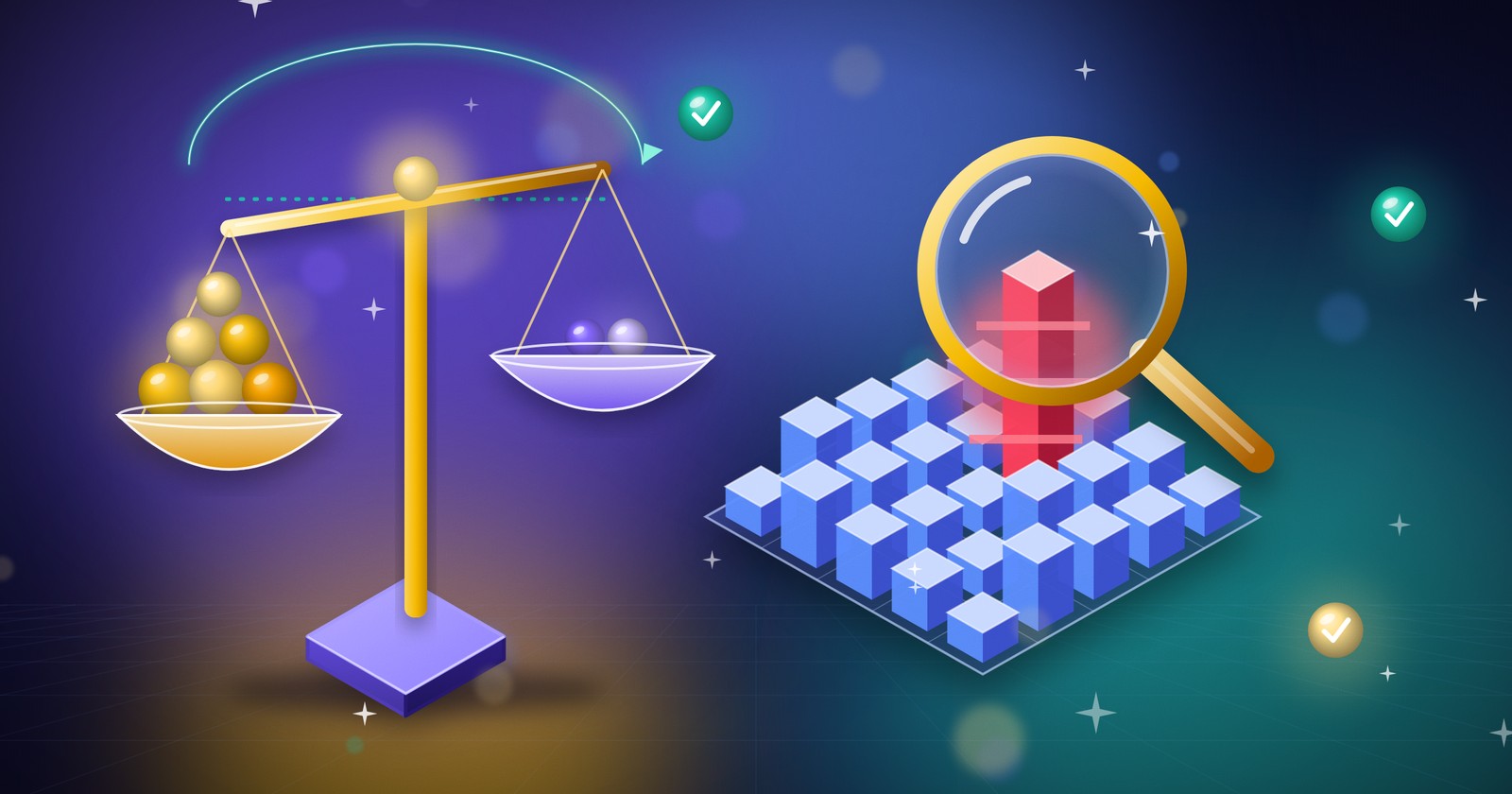
Table of Contents
How AI bias begins in the data
AI bias begins where all learning begins. A machine learns the way a child learns a language: by listening to what surrounds it. If the voices it hears are narrow, its understanding will be narrow too. It does not know that the library it studied was missing whole shelves.
Imagine a system trained on decades of hiring records from a company that rarely promoted women. The system will notice the pattern and quietly treat it as wisdom. Nobody wrote a rule that says “prefer men”, yet the AI bias is there all the same. The past simply taught it so.
The many doors through which prejudice enters
Data is only the first door, and AI bias has many more. Bias can also slip in through the way a problem is framed, the labels humans attach to examples, and the measurements chosen to define success. Each step is a human decision, and each decision carries a viewpoint.
Researchers often describe a few common routes:
- Sampling gaps, where some groups are barely represented.
- Historical patterns, where past unfairness is copied as truth.
- Careless labels, where subjective judgments become fixed facts.
- Feedback loops, where the output of the system shapes the next round of data.
The wider field is documented under the name algorithmic bias, and it is worth reading by anyone who builds or buys these tools.
AI bias is a double-edged sword
It would be easy to treat this subject as pure gloom. It is not. Like almost every powerful technology, artificial intelligence is a double-edged sword. A smart user benefits enormously, while a careless or malicious one harms the user and society alike.
Bias sits exactly on that edge. Used wisely, the same systems that inherit our prejudices can also expose them, because numbers do not flinch when they are asked to show a pattern we would rather ignore.
The edge that helps
A thoughtful team can run a screening tool across thousands of past decisions and discover, for the first time, that qualified people were overlooked for years. A bank can audit its own lending. A school can notice that a grading assistant treats certain dialects unfairly, and correct it. The machine becomes a mirror, and a mirror is a gift when you are willing to look.
The edge that harms
The other edge is sharper. A careless company may deploy a resume filter, a loan scorer or a face recognition tool without testing it on the people it will judge. A malicious actor may deliberately tune a system to exclude, to target or to deceive. The person on the receiving end rarely sees the machine, only the closed door. Society pays too, as small unfairnesses harden into a settled order.
Who AI bias harms most
Human prejudice at least has a face. We can argue with a person who judges us unfairly. AI bias hides behind interfaces and probabilities, so the harmed person often never learns that a machine was involved at all.
It also hides in averages. A system can look excellent overall while failing one small group badly, because the large majority lifts the score. That is why a single accuracy figure never tells the whole story about AI bias.
And it hides in confidence. A clean dashboard and a smooth voice make a wrong answer sound settled. People trust what sounds certain, which gives AI bias a polish that human prejudice rarely has.
The cost of AI bias does not fall evenly. It tends to land on people who already stand at the edge of the picture: minorities, women, speakers of less common languages, the poor, the disabled, the elderly. They are the ones least represented in the data and least able to appeal a decision.
A rejected loan, a missed job interview, a face that a camera fails to recognize, a medical tool tuned to one kind of body: each is a small injury. Added together, they make AI bias a quiet erosion rather than a single scandal. They become a quiet erosion of fairness that no single person can see.
A machine does not invent prejudice. It inherits ours, polishes it, and hands it back with the authority of a number.
How to test for AI bias before it tests you
Finding AI bias is not a feeling, it is a practice, and practice can be measured. The most useful habit is simple: test the system on the real variety of people it will serve, and compare the results across groups before launch, not after the complaint.
A sensible routine looks like this:
- Write down who the system affects and who might be missed.
- Check whether the training data reflects those people.
- Compare error rates and outcomes across different groups.
- Keep a human reviewer for high-stakes decisions.
- Repeat the audit regularly, because data and the world both change.
None of this demands a laboratory. A small business can begin with a spreadsheet and an honest question: who gets a different answer, and why?
Ask the vendor hard questions
If you buy a tool rather than build one, ask where its data came from, how it was tested, and what it does when it is unsure. A supplier who cannot answer is telling you something. Our overview of AI tools for small business offers practical advice on choosing with open eyes.
Fairness is a trade, not a switch
There is no single button labeled “fair”. Different definitions of fairness can pull against each other, and reducing one kind of AI bias may increase another. A tool that equalizes error rates may change who is approved, and a tool that equalizes approvals may change who is wrongly flagged.
This is why the conversation must include people, not only engineers. Decide in plain words what fair means for this decision, write it down, and measure against it. A clear promise is easier to keep than a vague hope.
Fixing the data helps, but so does humility. Tell users what the system can and cannot do, give them a way to challenge a result, and treat every complaint as free quality control.
Everyday places where AI bias hides
You do not need to work in a bank to meet this problem. It lives in search results, in recommended content, in auto-complete suggestions, in voice assistants that understand some accents better than others, and in image generators that default to a narrow idea of beauty.
That is why this is also a design problem. The pictures, words and interfaces we publish teach the machines, and the machines then teach the public. We touched on that wider landscape in artificial intelligence in everyday life, where the quiet presence of these systems is easy to miss.
Images, words and the stories we repeat
Designers and marketers carry a particular responsibility. Every campaign that shows only one kind of person, every caption that assumes one kind of reader, becomes raw material for the next generation of tools. Inclusive visuals are not decoration. They are a quiet contribution to better data, a point we return to in our notes on social media design tips.
What responsible builders and users can do about AI bias
Responsibility is shared. Builders must document their data, publish their limits and invite criticism. Companies must resist the temptation to hand life-changing decisions to a black box. Users must keep their judgment awake, treating a machine’s answer as an opinion, not a verdict.
Regulators and communities have a role as well, by demanding transparency and a path to appeal. When someone is rejected by an automated system, they deserve to know that a human can look again.
At Media Five Stars, after more than twenty years of shaping brands, sites and stories for audiences across the Arab world, Europe and the USA, we have learned that inclusion and quality walk together. A message that fits only a few people is a weaker message.
Final thoughts
AI bias is not a reason to fear the technology, and it is not a problem we can wave away. It is a reminder that every tool carries the fingerprints of its makers, and that fairness has to be built, measured and defended again and again.
So hold the sword with care. Ask who is missing, test for AI bias before you trust, and keep a human in the loop where lives and livelihoods are at stake. If you are shaping a brand, a website or a campaign and want it to speak fairly to everyone it meets, explore our services and let us help you do it well.